Free Relocation Guide to the Red Sea: Everything You Need to Know
Thinking about moving abroad? This free relocation guide to the Red Sea covers visas, cost of living, housing, healthcare, and expat life in Hurghada, El Gouna, and beyond. Plan your move with confidence and find your new home today.
Thinking about starting a new life by the sea? The Red Sea region in Egypt has become one of the top destinations for expats, retirees, and digital nomads looking for sunshine, affordable living, and a relaxed lifestyle. With its year-round warm climate, welcoming communities, and stunning coastal towns like Hurghada, El Gouna, and Sahl Hasheesh, the Red Sea is no longer just a holiday spot — it’s a place people are choosing to call home.
This relocation guide to the Red Sea is designed to walk you through every step of the journey. Whether you’re planning a temporary move, considering retirement in Egypt, or relocating your whole family, you’ll find practical insights on visas, cost of living, housing, healthcare, and the local lifestyle. We’ll also highlight the unique character of each area, from the buzzing city vibe of Hurghada to the serene, resort-like atmosphere of El Gouna.
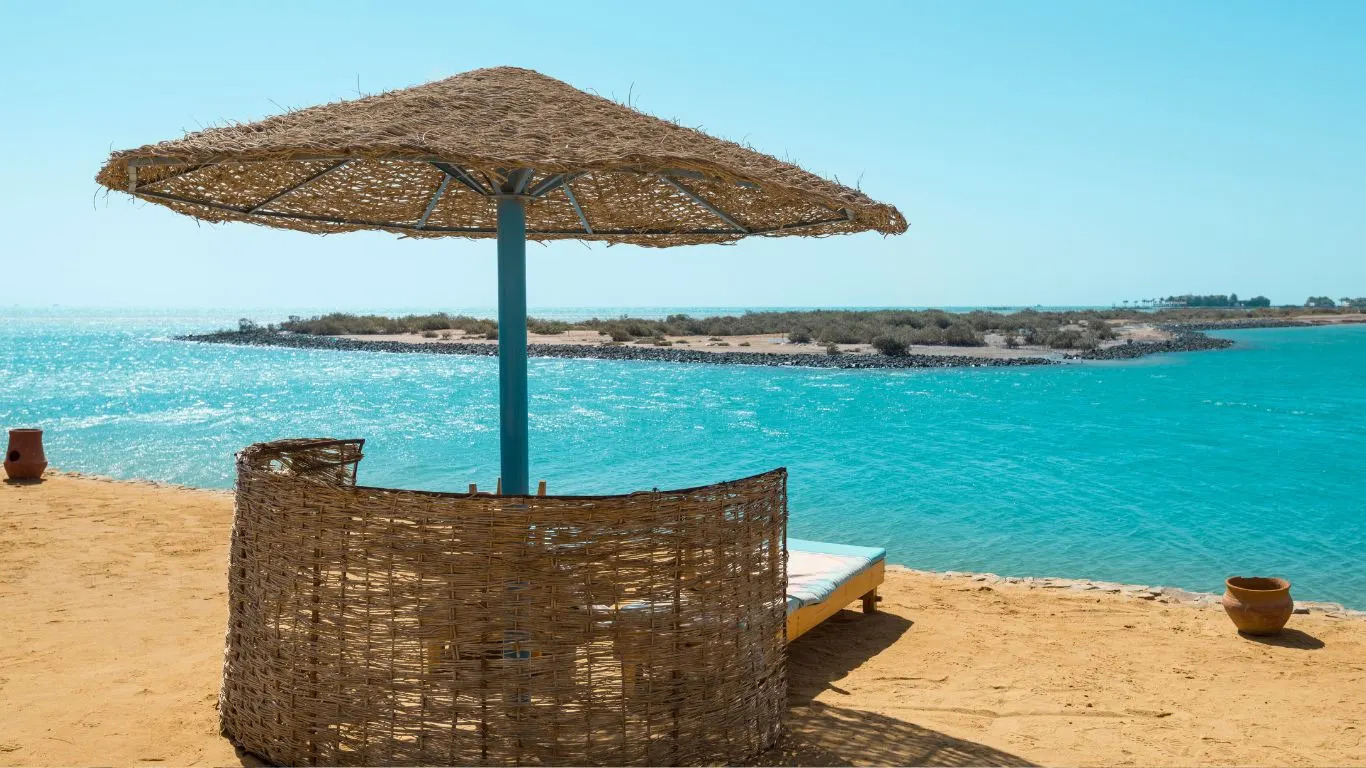
Relocating abroad can feel overwhelming, but it doesn’t have to be. With the right preparation, the transition to life on the Red Sea coast can be smooth and exciting. Imagine mornings with turquoise waters outside your window, evenings spent with a lively expat community, and weekends filled with diving, kite surfing, or desert adventures.
This guide will help you decide if the Red Sea is right for you, while also giving you practical tools to make your move easier. By the end, you’ll not only know how to relocate — you’ll know how to thrive.
Ready to begin? Let’s dive into why more and more people are making the Red Sea their new home.
1. Why Choose the Red Sea for Relocation?
The Red Sea has quickly earned a reputation as one of the most attractive places to relocate in Egypt. If you’ve ever dreamed of a lifestyle that balances affordability, sunshine, and adventure, this part of the world checks every box. But what exactly makes the Red Sea such a popular relocation choice?

First, there’s the climate. With more than 300 days of sunshine every year, mild winters, and warm summers, you’ll rarely have to worry about gloomy skies. For many people relocating from Europe, the promise of year-round sun and easy access to the sea is reason enough to make the move.
Then comes the cost of living. Compared to European capitals or even Mediterranean countries, the Red Sea is far more affordable. Rent, utilities, groceries, and even healthcare can cost a fraction of what you’d expect elsewhere. This means your budget stretches further, giving you the chance to enjoy a higher quality of life without overspending.
Another major draw is the expat-friendly lifestyle. Towns like Hurghada and El Gouna have thriving international communities. You’ll find English, German, Russian, and Italian widely spoken, making it easy to settle in. Plus, many services — from schools to clinics — are already tailored for foreigners.
Of course, there’s also the natural beauty. The Red Sea is famous for its coral reefs, diving, kite surfing, and desert landscapes. Relocating here isn’t just about changing your address — it’s about gaining access to a lifestyle centered around outdoor adventure and relaxation.
When you combine these factors — climate, affordability, community, and natural beauty — it’s easy to see why so many people are choosing the Red Sea as their new home.
2. Understanding the Red Sea Region
Before packing your bags, it’s important to get a clear picture of the Red Sea region and what daily life looks like. While many people imagine the area as a single long stretch of sandy beaches, the Red Sea is actually home to diverse towns and communities — each offering its own unique lifestyle.
Hurghada is the most well-known hub. Once a small fishing village, it has grown into a bustling coastal city with international schools, hospitals, shopping malls, and a busy nightlife scene. If you prefer city conveniences with easy access to the beach, Hurghada offers the best of both worlds.

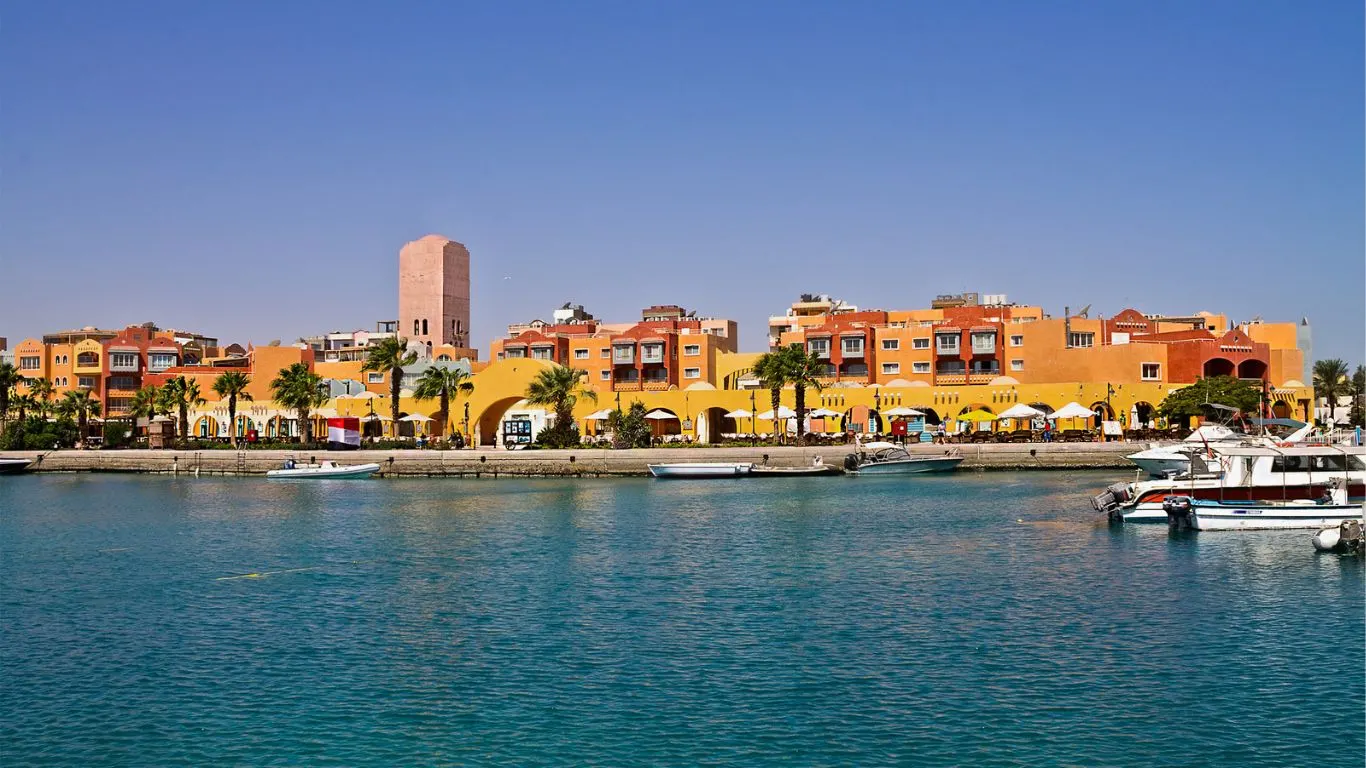
A short drive away is El Gouna, often called the “Venice of the Red Sea” thanks to its lagoons, marinas, and palm-lined canals. This gated town is designed for upscale living, featuring golf courses, luxury resorts, and a strong sense of community. Many expats choose El Gouna for its safety, high-quality services, and strong international presence.

Another gem is Sahl Hasheesh, a master-planned resort town with stunning architecture and wide sandy beaches. It’s quieter than Hurghada but offers a high standard of living, making it ideal for retirees or families looking for peace and comfort.
For those seeking something less developed, Marsa Alam is a growing destination. Known for its untouched reefs and tranquil vibe, it’s perfect for nature lovers or digital nomads who value serenity over city life.
Daily essentials are also easy to manage in the Red Sea. You’ll find international schools, modern healthcare facilities, and supermarkets stocked with both local and imported goods. English is widely spoken, so adjusting to daily life tends to be smooth for newcomers.
In short, whether you’re looking for a buzzing city, a polished resort town, or a quiet seaside escape, the Red Sea region has a community that matches your lifestyle.
3. Visa & Residency Options
One of the biggest questions people ask before relocating is: How long can I stay in Egypt, and what type of visa do I need? The good news is that moving to the Red Sea region is relatively straightforward, and there are several visa and residency paths available depending on your plans.
Most newcomers start with a tourist visa. Citizens from many countries can either get a visa on arrival at Egyptian airports or apply online for an e-visa. Tourist visas are usually valid for 30 days and can often be extended at the local passport office in Hurghada. This option works well for people who want to test the waters before committing to a long-term stay.

For those planning a more permanent move, there are residency permits. Long-term residence is commonly granted to foreigners who own property in Egypt. If you purchase a home through Red Sea Listings, you’ll usually qualify for a one-year renewable residency permit. This makes property ownership not just an investment, but also a practical solution for securing your stay.
Retirement in Egypt is also increasingly popular. While there isn’t a dedicated retirement visa, retirees often use the renewable residency permit linked to property ownership. The low cost of living, warm weather, and established expat communities make the Red Sea an appealing choice for retirees from Europe and beyond.
If you’re considering business opportunities, Egypt also offers investment visas. Starting or investing in a business can open additional residency options, though this requires more paperwork and financial commitment.
The application process generally involves providing your passport, property contracts (if applicable), proof of income or financial stability, and passport-sized photos. While Egyptian bureaucracy can sometimes feel slow, the process is manageable — especially if you work with a local consultant or property agency to guide you through the paperwork.
In short, whether you’re testing life in the Red Sea with a short stay, planning to retire, or investing in property, Egypt provides clear paths to residency that make relocation possible and often surprisingly simple.
4. Cost of Living in the Red Sea
One of the biggest reasons people consider relocating to the Red Sea is the cost of living. Compared to Europe, North America, and even many Mediterranean destinations, life here is noticeably more affordable — without sacrificing comfort.
Housing is usually the largest expense, but even that comes at a fraction of Western prices. A modern one-bedroom apartment in Hurghada or Sahl Hasheesh might cost between $200–$400 per month to rent, while in El Gouna prices are slightly higher due to its luxury reputation. Buying property is also attractive, with entry-level apartments starting at prices well below what you’d pay for similar beachfront real estate in Spain or Greece.

When it comes to utilities, you’ll find costs very manageable. Monthly electricity, water, and gas bills usually fall between $30–$60, depending on your usage and whether you rely heavily on air conditioning. Internet packages are affordable too, with high-speed plans averaging around $15–$25 per month.
Groceries and dining are another area where your money stretches further. Local produce, bread, and meats are inexpensive, while imported goods are slightly higher in price but still accessible. Eating out is an affordable luxury — you can enjoy a meal at a local restaurant for just a few dollars, while a dinner at a more upscale spot in El Gouna may cost $20–$30 per person.
Healthcare is another cost-saving benefit. Private clinics and hospitals provide good quality care at prices much lower than in Europe or the US. A doctor’s visit may cost $20–$40, while health insurance plans tailored for expats are also available at reasonable rates.
Altogether, the lower cost of living allows many expats to enjoy a higher standard of life. With careful budgeting, it’s possible to live comfortably on less than $1,000 a month, while retirees and remote workers often find they can save money compared to staying in their home countries.
5. Buying or Renting a Property
Finding the right home is often the most exciting step in your relocation journey. In the Red Sea, you’ll find a wide range of options — from budget-friendly studios in Hurghada to high-end villas in El Gouna or Sahl Hasheesh. The decision between renting or buying usually depends on how long you plan to stay and what type of lifestyle you’re looking for.
Renting is a popular choice for newcomers. It gives you the flexibility to explore different neighborhoods before committing to a long-term home. Furnished apartments are common, and rental contracts can be as short as six months or as long as several years. This makes it easy to test out life in Hurghada’s city center versus the quieter, resort-like atmosphere of El Gouna. Prices vary widely, but even in prime locations, rental costs remain affordable compared to Europe or the Gulf region.
Buying property in the Red Sea is also straightforward for foreigners. Egypt allows non-Egyptians to purchase real estate, and owning a property can be the gateway to securing renewable residency permits. Many expats choose this route as both a lifestyle decision and an investment, given the growing popularity of the Red Sea as a destination.
Different areas cater to different buyers. Hurghada offers affordable apartments with excellent rental potential. El Gouna is known for luxury homes, gated communities, and marina-front living. Sahl Hasheesh and Soma Bay provide resort-style properties with golf courses and private beaches, ideal for retirees or second-home buyers.
At Red Sea Listings, we make this step easier by curating the latest homes for sale and rent across all major Red Sea destinations. Whether you’re looking for a short-term rental or your forever home by the sea, you can explore a wide selection of listings directly on our website.
In short, whether you rent first and buy later or jump straight into ownership, the Red Sea real estate market offers opportunities that fit nearly every budget and lifestyle.
6. Working & Doing Business in the Red Sea
Relocating to the Red Sea isn’t just about relaxation — for many expats, it’s also about creating a sustainable lifestyle that includes work or business opportunities. Whether you’re a professional, a remote worker, or an entrepreneur, the region offers several ways to stay productive while enjoying life by the sea.
For those seeking employment, opportunities exist mainly in tourism, hospitality, and real estate. Resorts and hotels in Hurghada, El Gouna, and Sahl Hasheesh often employ foreigners for management, guest relations, and language-specific roles. International schools in Hurghada also hire foreign teachers, especially for English and European language programs.
Another growing trend is remote work. Thanks to increasingly reliable internet connections, many digital nomads base themselves in the Red Sea while working online for companies abroad. El Gouna, in particular, has co-working spaces and a strong community of freelancers and entrepreneurs who network and collaborate. The affordable cost of living combined with a pleasant lifestyle makes the region especially attractive for remote professionals.
For expats with an entrepreneurial spirit, starting a business is another option. Many expat-run businesses thrive in the Red Sea, ranging from dive centers and kite surfing schools to cafes, restaurants, and boutique hotels. While the process of registering a company requires patience and paperwork, local consultants can help smooth the process. The advantage is that Egypt’s investment laws can open doors to longer-term residency permits.
It’s worth noting that most expats who succeed financially in the Red Sea adapt to local realities — embracing opportunities linked to tourism, property, and lifestyle services. The community is welcoming, and businesses that serve both expats and locals often do particularly well.
In short, whether you want to keep your international career, launch a small business, or simply enjoy the freedom of working online, the Red Sea provides the right balance between professional opportunities and quality of life.
7. Lifestyle & Community
Relocating to the Red Sea isn’t just about finding a new home — it’s about embracing a whole new way of life. The region has a relaxed rhythm that attracts people from all walks of life, and once you settle in, it’s easy to see why so many expats choose to stay long-term.
One of the biggest lifestyle perks is the outdoor activities. The Red Sea is famous worldwide for its diving and snorkeling. Living here means you can explore coral reefs and colorful marine life whenever you want. Kite surfing and windsurfing are also incredibly popular, with El Gouna recognized as one of the best kite surfing spots in the world. Beyond the sea, the desert offers a completely different adventure — quad biking, camel rides, and star-gazing evenings are all part of the local experience.
Equally important is the sense of community. Whether you’re in Hurghada, El Gouna, or Sahl Hasheesh, you’ll find thriving expat circles that make it easy to meet people. From language exchange groups to social clubs, yoga classes, and beach clean-up events, there are countless ways to connect. Many expats describe the Red Sea as a place where friendships form quickly, partly because everyone shares the common experience of adapting to life in a new country.
Safety is another aspect worth mentioning. Compared to big cities, the Red Sea towns are peaceful and welcoming. Families, retirees, and solo travelers all report feeling secure in daily life. While cultural differences exist, locals are generally warm and friendly toward foreigners, making integration smoother than you might expect.
Culturally, life here is a blend of Egyptian traditions and international influences. You’ll find local markets selling fresh produce alongside modern cafes serving specialty coffee, and international schools that make family life comfortable for expats.
In short, the Red Sea offers not only a beautiful setting but also a welcoming, diverse community that makes relocation a rewarding and enriching experience.
8. Education & Family Relocation
For families considering a move, one of the biggest concerns is education and how children will adapt to life in a new country. The good news is that the Red Sea region is increasingly family-friendly, with growing options for international schooling, childcare, and safe communities designed with families in mind.
International schools are available in Hurghada and El Gouna, offering British, German, and American curricula. These schools are popular among expat families because they provide continuity in education and make the transition easier for children who may later return to Europe or continue their studies abroad. Class sizes are generally smaller than in large cities, giving students more attention from teachers. Tuition costs are significantly lower than in Western countries, though they remain one of the higher expenses for expat families.
For younger children, kindergartens and nurseries are also widely available, many of which use bilingual teaching methods. Families often find this a helpful way for kids to quickly adapt to both English and Arabic in a supportive environment.
Outside of formal schooling, the Red Sea offers a safe and engaging environment for children. Gated communities like El Gouna and Sahl Hasheesh are particularly attractive to families thanks to their pedestrian-friendly layouts, security, and abundance of outdoor activities. From swimming and sailing lessons to art classes and community events, kids grow up with plenty of opportunities to stay active and social.
Healthcare for children is also accessible, with pediatric clinics and pharmacies readily available in Hurghada and El Gouna. Many parents choose to combine local healthcare with private insurance for peace of mind.
For families, relocating to the Red Sea is not only about enjoying the beaches and warm climate — it’s about creating a safe, nurturing environment where children can thrive, learn, and grow in an international community.
9. Healthcare & Medical Services
Healthcare is one of the most important factors when deciding to relocate, and the Red Sea region offers a reassuring mix of accessibility and affordability. While Egypt’s public healthcare system is not usually the first choice for expats, private clinics and hospitals in Hurghada and El Gouna provide a high standard of care at prices far below what you’d expect in Europe or North America.
Private hospitals and clinics are widely available in Hurghada, with many doctors trained abroad. English- and German-speaking staff are common, which helps new arrivals feel more comfortable during appointments. Facilities in El Gouna are modern and efficient, with the El Gouna Hospital often praised for its quality care, including emergency and specialized services.
Medical costs are surprisingly affordable. A consultation with a general practitioner may cost between $20–$40, and specialist visits can be slightly higher. Dental care is also popular among expats because of the high quality and competitive prices compared to Western countries.
Many expats choose to take out private health insurance. Several international providers offer plans for foreigners living in Egypt, ensuring access to the best hospitals and covering everything from routine check-ups to emergency care. Insurance premiums are typically lower than in Europe or the US, making it an affordable safeguard.
Pharmacies are easy to find and usually well-stocked, with many medications available over the counter. For those with ongoing medical needs, it’s worth checking in advance whether your prescriptions are available locally, or if you’ll need to bring supplies from home.
In short, while the Red Sea may not have the same level of specialist healthcare as larger international cities, it provides a strong foundation of affordable, reliable, and accessible medical services. For most expats and retirees, this balance of quality and cost makes relocating here a confident and comfortable decision.
10. Practical Tips for a Smooth Relocation
Once you’ve decided to make the move, it’s time to get practical. Relocating to the Red Sea doesn’t have to be stressful if you prepare in advance and know what to expect. Here are some useful tips to help you settle in quickly and comfortably.
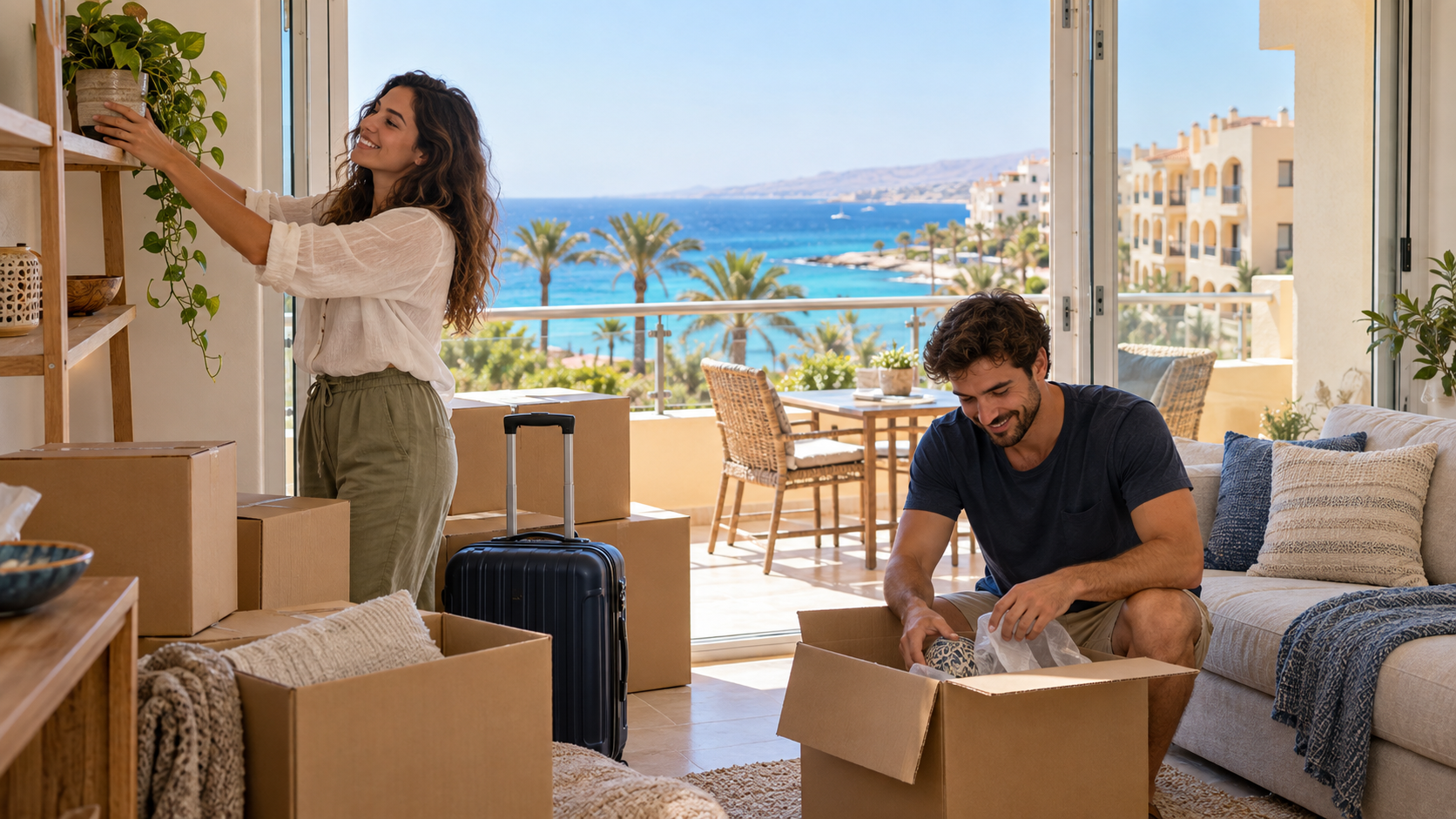
Plan your move strategically. If you’re bringing furniture or personal belongings, consider international shipping companies that operate in Egypt. Many expats find it easier (and cheaper) to start fresh by buying furniture locally, since most rental properties are furnished and home goods are widely available in Hurghada and El Gouna.
Banking and finances are another priority. Opening a local bank account will make paying bills and handling everyday expenses easier. Most banks in Hurghada and Cairo offer English-language services and accounts in both Egyptian pounds and foreign currencies. International transfers can take time, so it’s smart to keep an overseas account active as a backup.
Transportation is relatively straightforward. While taxis and ride-hailing apps like Uber are available in Cairo, in the Red Sea most people rely on private drivers, taxis, or their own car. Purchasing a vehicle locally is simple, though you’ll need an international driving permit if you plan to drive when you first arrive.
Technology and communication are also important. SIM cards with affordable data packages are easy to buy, and Wi-Fi is widely available in homes, hotels, and cafes. Many expats also rely on messaging apps like WhatsApp for staying connected with both locals and family abroad.
Finally, download a few must-have apps before arrival, such as food delivery platforms, taxi services, and local community groups on Facebook or Telegram. These small tools can make settling in much smoother.
With the right preparation — and a positive mindset — relocating to the Red Sea becomes less about stress and more about excitement. By planning ahead, you can focus on the real reward: building a new life in one of the most beautiful coastal regions in the world.
Relocating to the Red Sea is more than just changing your address — it’s about stepping into a lifestyle that blends sunshine, affordability, and community. From the vibrant city life of Hurghada to the upscale charm of El Gouna and the tranquil beaches of Sahl Hasheesh, there’s a perfect corner here for everyone.
With straightforward visa options, a lower cost of living, and a welcoming expat community, making the move is easier than most people imagine. Families find comfort in international schools and safe neighborhoods, retirees enjoy the relaxed pace of life, and professionals have the freedom to work remotely or build businesses in a region with growing opportunities.
The Red Sea isn’t just a place to visit — it’s a place to thrive. Whether you’re seeking adventure in the water, quiet mornings by the sea, or a new chapter for your family, this region offers all the ingredients for a fulfilling life abroad.
If you’re ready to take the next step, now is the time to start planning. At Red Sea Listings, we make relocation simpler by connecting you with the best properties in Hurghada, El Gouna, Sahl Hasheesh, and beyond. Browse our latest listings today and find the home that will turn your relocation dream into reality.
Frequently Asked Questions (FAQs)
1. Can foreigners buy property in the Red Sea?
Yes. Foreigners are allowed to buy property in Egypt, including in Red Sea destinations like Hurghada, El Gouna, and Sahl Hasheesh. Property ownership often provides a pathway to renewable residency permits, making it a practical option for long-term relocation.
2. How much money do I need to live comfortably in the Red Sea?
On average, a single person can live comfortably on $800–$1,200 per month, depending on lifestyle and housing choice. Families will need more, especially if enrolling children in international schools, but costs are still lower compared to Europe or the Gulf.
3. Is the Red Sea safe for expats and families?
Yes. The Red Sea region is considered safe, with low crime rates and welcoming communities. Gated towns like El Gouna and Sahl Hasheesh offer additional security and are particularly popular with families and retirees.
4. What is healthcare like in the Red Sea?
Private clinics and hospitals in Hurghada and El Gouna provide good quality care at affordable rates. Many doctors speak English or German, and expats often choose private health insurance for added peace of mind.
5. How can I meet other expats in the Red Sea?
There are active expat communities in Hurghada, El Gouna, and Sahl Hasheesh. You can meet people through social clubs, language exchanges, sports groups, or community events. Online groups and local networking events also make it easy to connect.
6. Do I need to speak Arabic to live in the Red Sea?
While learning some Arabic will enrich your experience, it’s not essential. English, German, and Russian are widely spoken in expat areas, making daily life manageable even for newcomers.