Remote Working from El Gouna: Wi-Fi, Co-working & Marina Life
Remote working from El Gouna combines lagoon views, marina life and a compact Red Sea lifestyle with a few practical realities. This guide covers Wi-Fi speeds, power backup, co-working options, monthly living costs, visas and the best areas to base yourse
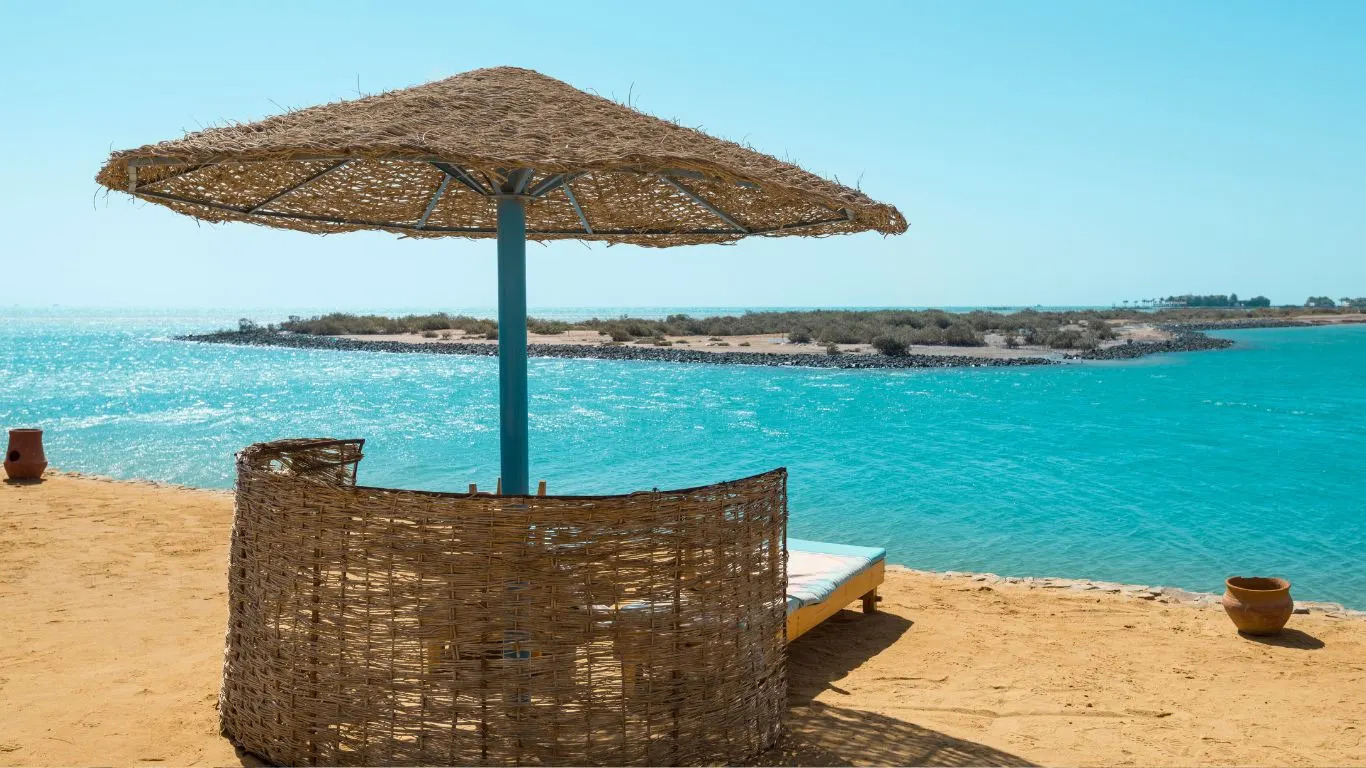
Let's start with the good news. In El Gouna, the commute can genuinely be a kayak. Not a metaphor, not a "lifestyle brand" slogan: you can paddle across a lagoon to a beach café, open your laptop and have your first stand-up call with sand between your toes. Your colleagues in Leeds, Leipzig or Lyon, meanwhile, are scraping ice off a windscreen.
Now the slightly less glamorous news: this is Egypt, not Estonia. The Wi-Fi has moods, the power occasionally takes a tea break, and the "co-working scene" is more kite club than glass-walled start-up hub. None of that is a deal-breaker, as long as you know about it before you book the flight. So here's the honest, slightly sunburnt guide to working remotely from El Gouna, based on what the data and the people who actually live here say.
First, what is El Gouna, exactly?
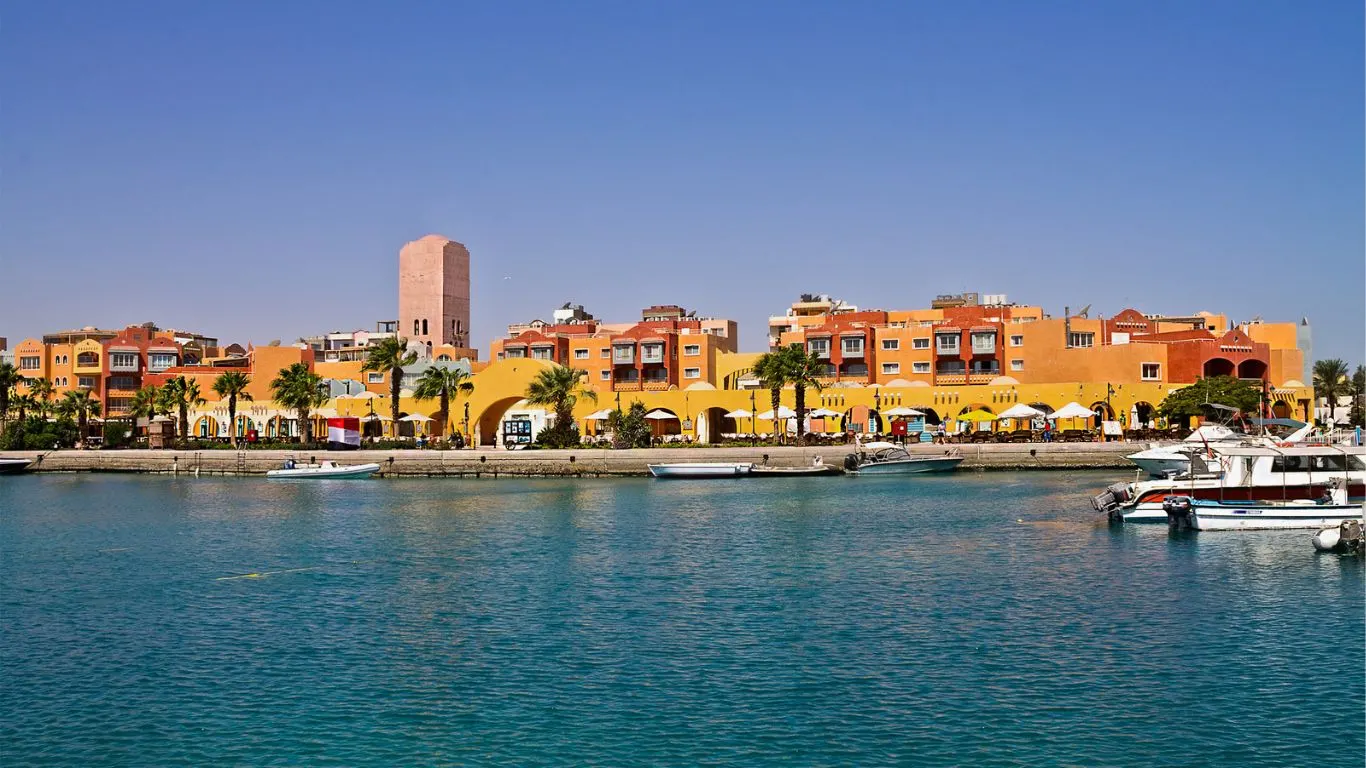
If you've never been, picture a small, self-contained town built around lagoons and canals, with its own marina, hospital, schools, golf course and, yes, a film festival. According to Wikipedia's profile of the resort town, it sits about 20 km north of Hurghada and roughly 25 km from Hurghada International Airport. It was founded in 1990 by Samih Sawiris, and Orascom Development still owns and develops it. The town is spread across around 20 islands and about 10 km of coastline, which is why so much of it feels like a very sunny cross between Venice and a golf resort.
Why does that matter for remote workers? Because El Gouna is compact and easy. You can get around by tuk-tuk, bike or on foot, the airport is a 25-minute drive away (traffic permitting, and this is Egypt, so patience is a skill), and almost everything you need for a normal week sits within a few minutes of everything else. It's one of the few places on the Red Sea where you can run a full working life without owning a car.
The Wi-Fi: let's be grown-ups about it
This is the question everyone asks first, and rightly so. Here are the numbers, because vibes don't pay for video calls.
The digital-nomad community platform Nomads.com lists El Gouna's average internet speed at about 8 Mbps and currently labels it "slow". Its reviewers also describe connections as mostly fibre but occasionally spotty.
For the wider Egyptian picture, DataReportal's Digital 2025 Egypt report cites Ookla data showing a median fixed internet download speed of 76.67 Mbps at the start of 2025. That national figure is far higher than the crowd-sourced El Gouna estimate, which is a useful reminder that your real-world experience can vary dramatically by building, provider, router setup and time of day.
So what do you do about it? We'd suggest the sort of boring-but-effective routine that seasoned nomads swear by:
Test before you sign. Ask the landlord or host to run a speed test while you watch, ideally in the room where you'll actually work. A screenshot from "last summer" doesn't count.
Carry a backup. A local SIM with a decent data allowance (or a 4G/5G pocket router) turns "the Wi-Fi died" from a crisis into a shrug. Tether your phone, finish the call, carry on.
Schedule the heavy stuff. Big uploads, software updates and the 40 GB project folder go in the early morning, when half the town is still asleep.
Join calls on audio first. Video can be switched on when the connection is behaving. Your team will thank you for a clear voice over a pixelated smile.
If you work in a job where one dropped connection costs real money (live trading, broadcast, on-call engineering), be extra careful and build in redundancy: two providers, one battery backup, one plan B location. If your work is mostly writing, design, marketing, coding or meetings, you'll find it very workable.
Power cuts: the reality check
Egypt had a rough few summers with scheduled power cuts, and it's fair to ask whether that is still a worry. In April 2026, Egypt Independent quoted Ministry of Electricity spokesperson Mansour Abdel-Ghani saying the grid had gained up to 3,000 megawatts of capacity in 2026, that energy-storage batteries had begun to be integrated into the national grid, and that the ministry was "fully ready" to meet demand and keep service stable through the summer. That is reassuring, but a ministry statement is not a guarantee, so treat power like Wi-Fi: trust, but carry a backup.
The sensible kit is cheap. A laptop already has a battery, which gets you through short interruptions. Add a power bank that can charge a laptop (USB-C, 20,000 mAh or more), keep your phone as a hotspot, and ask whether the building has a generator or whether the flat sits on a shared one. Many people in resort communities also use a small UPS on the router, so the internet doesn't vanish the moment the lights flicker. It costs less than a few weeks of coffee and saves you from explaining to your boss that "the sun was too strong."
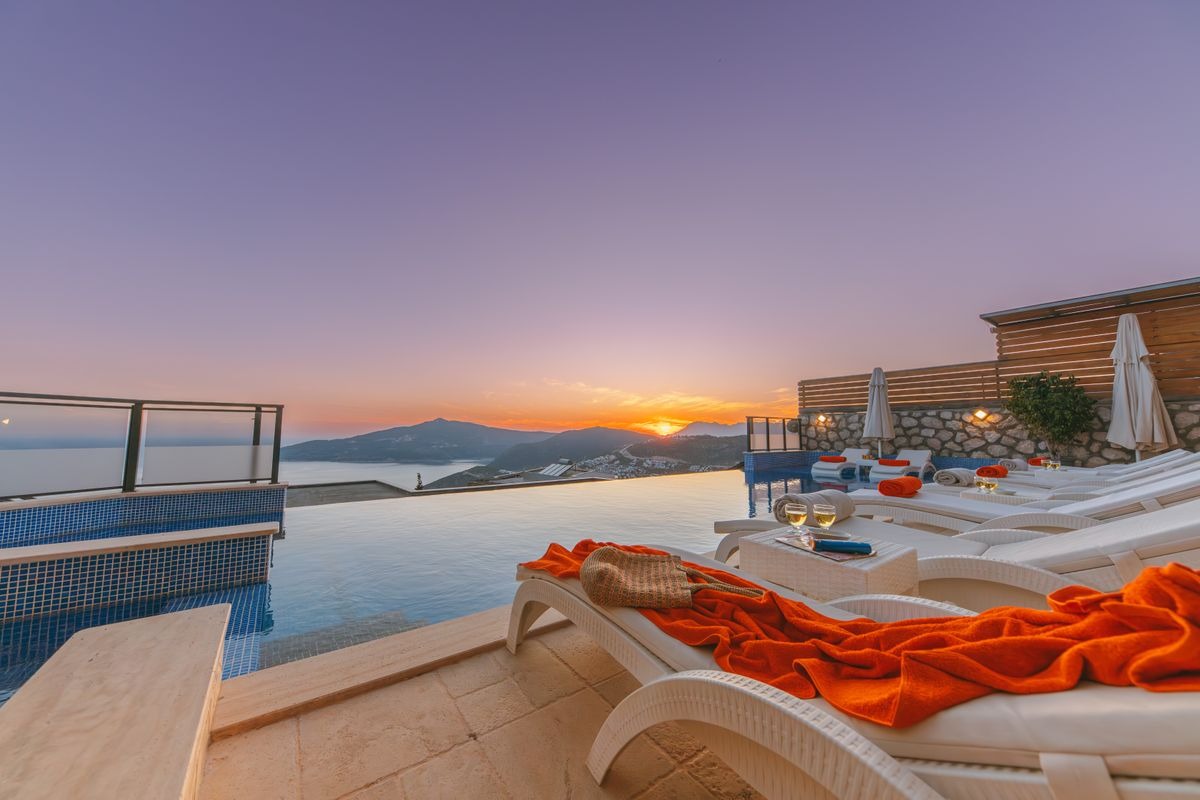
Let's be realistic: El Gouna is not Lisbon. There are no rows of branded hubs with kombucha on tap. According to the Nomads.com co-working listing for El Gouna, the best-known option is G*Space, with a hot-desk price shown at around $13 a month in the city cost table. The same page notes that a reviewer put it at about 5 euros a month some years ago, so prices will have moved, and says the site's metadata counts 13 co-working spaces in the town although only one is named. The takeaway? Do a quick local check before you rely on a desk: confirm opening hours, current prices, how many people use it and what the Wi-Fi actually does at 11 a.m.
The other thing the listing tells you is something locals already know: plenty of people simply work from beach restaurants and kite clubs. That sounds idyllic, and it often is, but a few ground rules help:
Order something. A table is not free real estate, and a good relationship with the staff is worth more than a perfect socket.
Sit in the shade and mind your screen. Glare is the quiet enemy of the beach office, and so is sand.
Do your deep-focus work in the morning, when it's cooler and quieter. Save the sunset coffee for emails you can reply to with one thumb.
Keep a "boring office" fallback (your flat, ideally with a proper desk and chair), because there will be days when the breeze is great and the Wi-Fi is not.
Marina life: what a normal week looks like
Here's a rough, entirely unscientific working week for a remote worker in El Gouna. Seven-thirty: coffee on the balcony, because you've realised you can see the lagoon from the kitchen. Eight to twelve: the focused block, either at home or in a quiet corner of a café near Abu Tig Marina. Midday: lunch, a swim and a short siesta, which in Egypt is practically a civic duty. Afternoon: meetings with your European team. Egypt is typically about one hour ahead of Central Europe and about two hours ahead of the UK, so your 3 p.m. is their lunchtime or just after, which suits both sides rather nicely. Evening: kitesurfing lessons, a dive, a stroll around the marina, dinner with the friends you've somehow made in only two weeks.
That last point is underrated. El Gouna has a steady mix of long-stay visitors, expats and digital nomads, so finding your people is easier than in a big, anonymous city. The same Nomads.com page rates the town as very safe and friendly to foreigners, with kitesurfing and diving among the highlights, though it also flags weaker nightlife than some places and notes that traffic safety is poor. Translation: lovely evenings, sensible helmet, don't cycle like it's the Tour de France.
What it costs to live here
Money talks, so let's get to it. Nomads.com estimates a "nomad" budget in El Gouna at about $2,364 a month, with an "expat" budget of around $1,450. Those are community-sourced estimates, and the gap between them tells you something useful: the nomad figure assumes you are renting short-term, eating out a lot and paying for activities, whereas the expat figure assumes a more settled routine with a longer lease and some home cooking. The page also lists a one-bedroom rent in the centre at $1,361 a month, and median Airbnb and hotel prices that run higher still in high season. Reviewers add that food in the tourist-facing places can be pricey, and that tap water isn't drinkable, so budget for bottled water.
What does this mean for your decision? Short stays of a week or two are usually easiest in a hotel or Airbnb. If you plan to stay for a month or more, it is worth reading our guide to El Gouna long-term rentals, because longer leases can offer better value, more space, a proper kitchen and a more practical setup for remote work. Current Red Sea Listings inventory includes furnished long-term apartments across areas such as New Marina, Mangroovy, Abu Tig Marina and Fanadir Marina.
Reviewers on Nomads.com suggest the town suits shorter stays particularly well, but El Gouna can work just as well for longer stays if you create a proper base instead of living out of a suitcase.
Where to base yourself
Different parts of El Gouna suit different routines, so think about what you actually need from a working day.
Near the marina and Downtown. Best for people who want cafés, restaurants and a social life on the doorstep. Slightly noisier, usually pricier, and the Wi-Fi tends to be better because many buildings are newer and better wired.
Lagoon-side apartments. Calm, pretty, and ideal if you want a balcony that doubles as an office. Check the router location, since thick walls and a router in the far corner are the traditional enemies of a stable call.
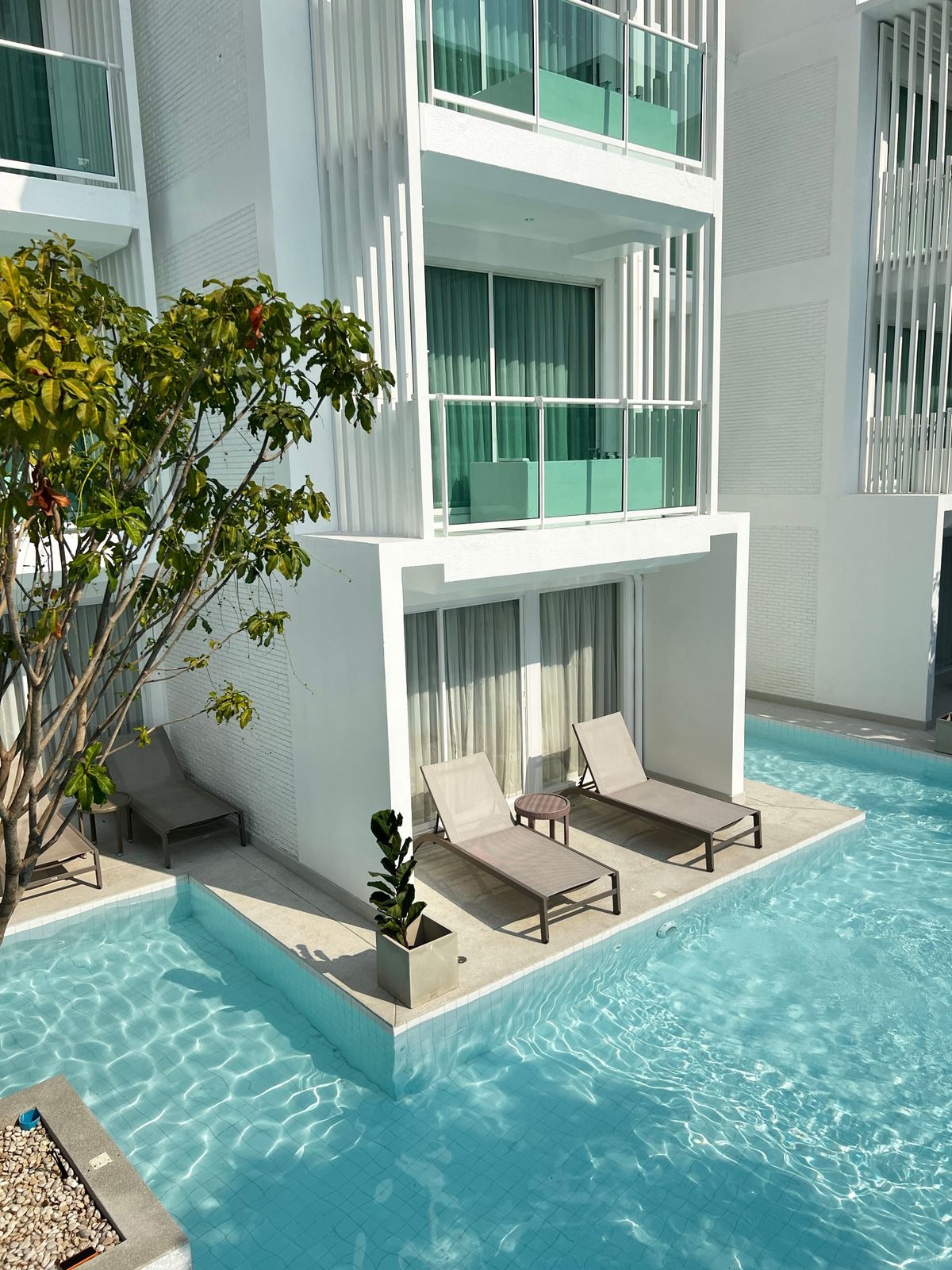
Villas with a private garden or pool. If you're staying for a season, or your partner works remotely too, a house gives you separate working spaces and the privacy of a proper home. Browse our guide to El Gouna long-term rentals to compare larger homes, townhouses and rental areas, and ask owners directly about internet providers and backup power.
Whichever you choose, do three things before you commit: run a speed test, find the nearest working café you'd actually enjoy, and ask the neighbours (or previous guests) what the summer is like. In July and August it gets properly hot. Nomads.com lists "very hot in the summer" among the town's drawbacks, which is gentle phrasing for "you'll want air conditioning, and you'll want it to be on".
Visas and the paperwork you can't wing
Here's where we slow down and get careful, because visa rules can change. Most visitors enter Egypt on a tourist visa, and the practical details, including eligibility, application steps and current requirements, are best checked through the Egyptian Ministry of Foreign Affairs before you travel. Back in March 2023, Travel Off Path reported the Minister of Tourism and Antiquities announcing a planned five-year, multiple-entry visa aimed at remote workers at a price of $700, to come "soon". We could not confirm that it is live today, so don't plan around it until the official portal says otherwise. The sensible approach is to treat any "digital nomad visa" claim as unverified until you see it on a government website.
Also worth sorting before you land: health insurance that covers private clinics, a card that works abroad (Nomads.com notes that cards are widely accepted, with cash still handy for small purchases), and a plan for taxes in your home country. That last one is boring and important.
So, is El Gouna a good place to work from?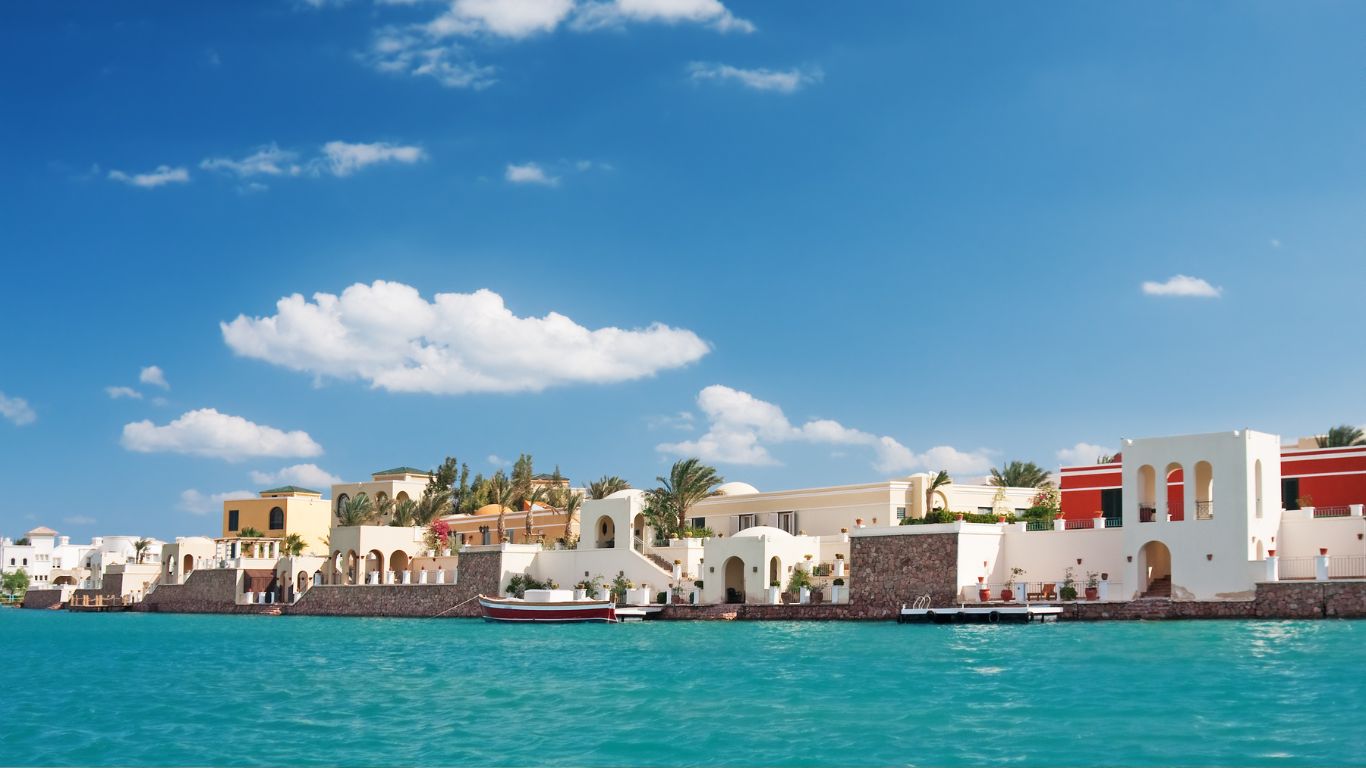
For the right person, yes, and it's easy to see why. You get warm weather, a safe, easy-to-navigate town, water sports on your lunch break and a cost of living that undercuts most European hubs even at the "nomad" end of the scale. What you give up is the polish of a purpose-built nomad capital: the internet is the thing to plan around, the power deserves a backup, and the co-working scene is small.
If you're someone who gets more done with sun on your face and a short list of reliable tools, you'll love it. If you need gigabit fibre and a 24/7 co-working lounge with a barista who knows your name, Lisbon is still waiting for you. The magic is in the middle: take a month, test the setup, then decide.
And if you fall for it?
It happens more than you'd think. People arrive for four weeks and still have the same flat a year later. When that moment comes, there are two paths worth knowing about. You can keep renting on a longer lease and enjoy the flexibility, or you can look at buying. Rental returns can look attractive on paper, but headline figures rarely tell the whole story, so read our guide to real estate investment yields and costs on the Red Sea before you do your sums. Either way, a flat that earns while you're away is a very pleasant sort of commute.
Ready to try it for a month? Start by browsing apartments for rent in El Gouna, pick a place with a proper desk, run that speed test and book the flight. The kayak's waiting.